联成南浔工厂一日:早上 7 点的生产线
<! Article schema: @type Article, author: Liancheng Wood Industry, publisher: www.floormfg.com Inside Liancheng Wood Industry: A Day at a Wood Flooring Manufact…
Inside Liancheng Wood Industry: A Day at a Wood Flooring Manufacturer in China — 07:00 Start, 13,847 m² Delivered to a 214-Room Hotel Group
At 06:40 on 8 January 2026, our Nanxun production line started running a 13,847 m² engineered European oak order for a 214-room hotel group in Spain. By 18:00 the same day, 612 m² of finished, packed flooring had cleared final inspection.
That is a sentence a procurement manager can paste straight into a supplier report. It is also why we opened our factory diary for the entire project — from the first inquiry on 14 August 2025 to the last of 12 containers leaving Ningbo Port on 6 February 2026. Liancheng Wood Industry (Zhejiang) Co., Ltd. has been manufacturing wood flooring in Nanxun, Huzhou, Zhejiang Province since 1983 — 43 years — and we export under the international brand Saga Villas. If you are qualifying a wood flooring manufacturer in China, this is what a normal working day on our line actually looks like, hour by hour, with the numbers attached.
[IMAGE: Engineered European Oak, AB grade, 3 mm sawn top layer, wire-brushed and UV-lacquered surface, 1900 × 190 × 15 mm — Liancheng Nanxun line, January 2026]
Project Background: How a European Hotel Group Qualified a Wood Flooring Manufacturer in China
The buyer was not an individual. It was a hotel operator running a 214-room property in Barcelona, working through a Spanish contract flooring distributor and a project management firm. Their refurbishment package called for 12,941 m² of net installable engineered oak plus a 906 m² site allowance — 13,847 m² ordered in total, a 7% margin for cuts, offcuts and future repairs.
The qualification sequence is worth documenting because it is the same for almost every serious project we ship:
- 14 August 2025 — first inquiry received, with a room-by-room take-off and a specification sheet naming EN 14342 and a Bfl-s1 fire class.
- 2 September 2025 — we air-freighted three 300 × 300 mm sample boards, each with the sawn top layer, wear surface and locking profile cut exactly as production would cut them.
- 6 November 2025 — factory audit at Nanxun. The buyer's own QA engineer attended, alongside an independent inspection team, and walked the kiln yard, the press line and the packing hall across a full 9-hour visit.
- 21 November 2025 — purchase order signed, with the moisture content, tolerance and grading clauses written into the contract rather than left to email.
- 8 December 2025 – 16 January 2026 — production, 24 working days, averaging 577 m² of finished and packed flooring per day.
- 12 January 2026 — third-party pre-shipment inspection, container by container.
- 6 February 2026 — 12 × 40-foot high-cube containers loaded at Ningbo Port, bound for Barcelona.
- 12 March 2026 — arrival and customs clearance; installation completed on 24 April 2026 with 131 m² of attic stock left on site.
No part of that sequence was unusual for us. We produce more than 400 containers a year from a 60,000 m² production base with 400 employees — but every order is documented at this level, and that is the point of this article.
Product Specification: 1900 × 190 × 15 mm Engineered European Oak
The construction we produced was chosen because a hotel corridor floor has to survive roll-carts, housekeeping trolleys and 214 rooms of daily traffic without a full replacement in year five.
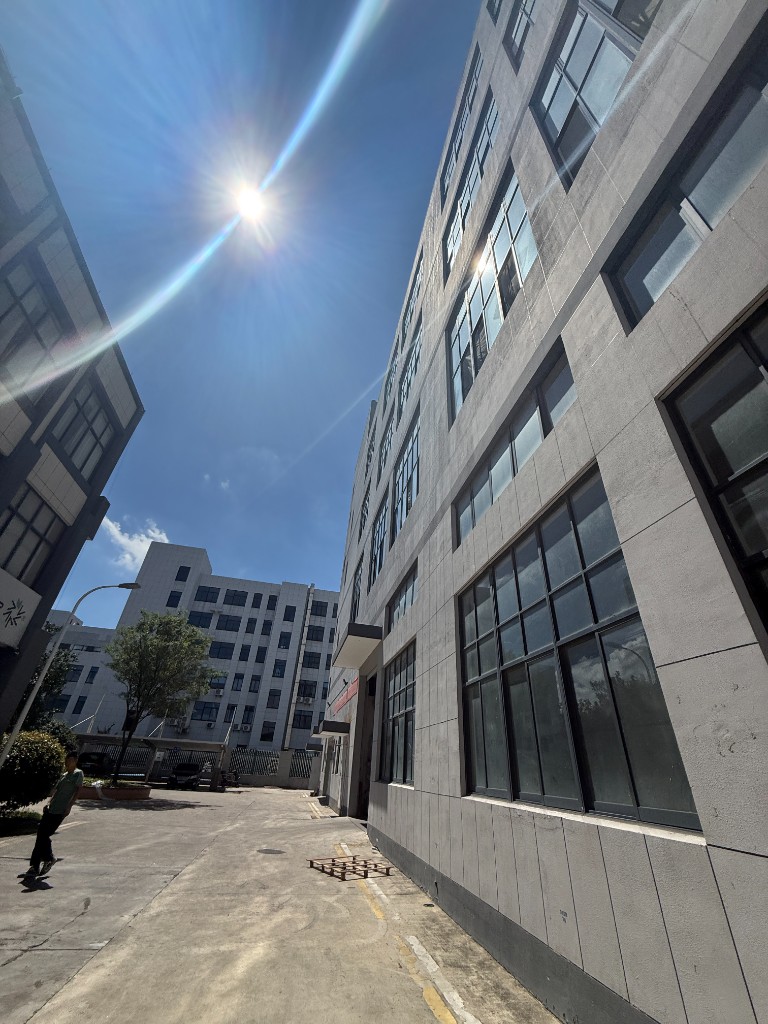
| Parameter | Specification |
|---|---|
| Species | European Oak (Quercus robur) |
| Dimension | 1900 × 190 × 15 mm |
| Top layer | 3 mm sawn (not peeled) European oak |
| Grade | AB grade, 1.2 m minimum average board length |
| Core | 9 mm Eucalyptus plywood, cross-glued |
| Back | 3 mm counter-balancing veneer |
| Moisture content | 9.2% average, 8–10% equilibrium range |
| Surface | Wire-brushed, two-tone, 7-coat UV lacquer, 62 g/m² total |
| Profile | Tongue & groove, end-matched, tolerance ±0.1 mm |
| Fire rating | EN 13501-1 Bfl-s1 |
| Formaldehyde | CARB Phase 2 compliant |
| Certification | FSC C012 100 chain of custody; CE marking to EN 14342 |
Two specification decisions drove the rest of the order. First, a sawn 3 mm top layer rather than a sliced one — sawn veneer keeps its grain integrity, which matters when a floor is sanded and refinished twice over a 25-year service life. Second, a 9 mm plywood core instead of an HDF core, because Barcelona's indoor humidity swings less than a ship's hold does, and a cross-glued plywood core holds dimension better through the seasonal cycle.
Full construction options are listed in our Liancheng Engineered Flooring Catalog; the solid 18 mm equivalent is covered in the Liancheng Solid Wood Flooring Catalog.
Production Process: Inside the Liancheng Nanxun Line, 06:40 to 18:00
We logged 8 January 2026 in detail because it was an ordinary day — no audit, no customer visit, just the line running a live project order.
06:40 — Kiln check and moisture verification
Before the line starts, our kiln operator pulls probe readings from every bundle scheduled that day. We record 12 probe points per bundle across four bundles — 48 readings — and we do not release material outside the 8–10% equilibrium moisture content window. That morning's average was 9.2%, with a 0.4% spread.
07:00 — Raw board grading
The first hour is grading. Two graders inspected 1,860 top-layer blanks and rejected 14 — 0.75% — for mineral streaks, end splits and bark pockets. Rejected blanks go back to the short-length program, not to the skip.
07:45 — Cross-cut, rip and top-layer saw
The sawn top-layer saw cuts 3.0 mm veneers from kiln-dried flitches. Blade kerf loss on this line averages 1.6 mm, which is why a 26 mm flitch yields three usable top layers. Cutting speed is deliberately held to 14 m/min to avoid burning the oak's ray figure.
09:20 — Calibration and three-layer assembly
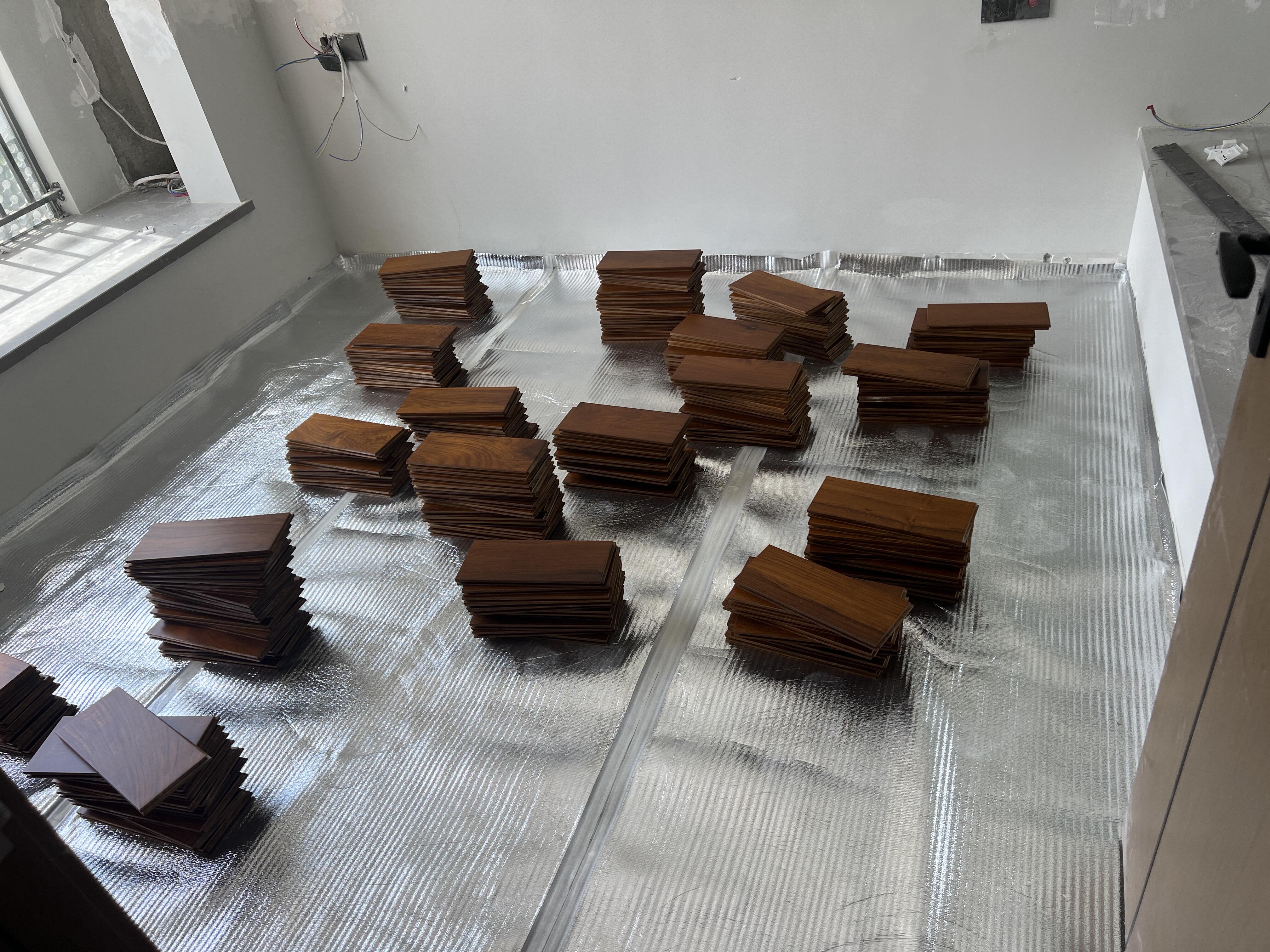
Core panels are calibrated to ±0.15 mm before gluing. That tolerance is what makes the finished ±0.1 mm tongue-and-groove tolerance achievable later — you cannot profile your way out of an uncalibrated core.
11:00 — Hot press and curing
Assembly runs through a 12-bar hot press at 105°C for 8 minutes per cycle, then 24 hours of controlled curing at 22°C. Press cycles are logged against order number, adhesive batch and operator.
13:30 — Sanding, wire-brushing and the UV line
Two calibrating heads and one finishing head take the surface to 120 grit before wire-brushing. The brush roller lifts the softer earlywood by 0.2 mm, which is what produces the two-tone texture the designer approved in the September sample. Seven UV lacquer coats follow, 62 g/m² total, each cured under UV before the next pass.
15:10 — Profiling
This is the step buyers ask about most. Our profiling line holds tongue-and-groove fit at ±0.1 mm, checked with a digital gauge every 30 minutes and recorded — six checks per shift. End matching is held at ±0.15 mm. A floor that clicks together on site without gaps or lippage is a tolerance result, not a luck result.
16:40 — Grading, packing and palletising
Finished boards are re-graded against the AB standard, then packed six boards per carton — 2.166 m² per carton. Cartons carry species, grade, dimension, batch number and the production date.
18:00 — Shift report
The day's closing report recorded 612 m² packed, 6 profile checks passed, 48 moisture readings logged and zero non-conformances raised.
Quality Control at Liancheng: 12 In-House Gates and Third-Party Verification
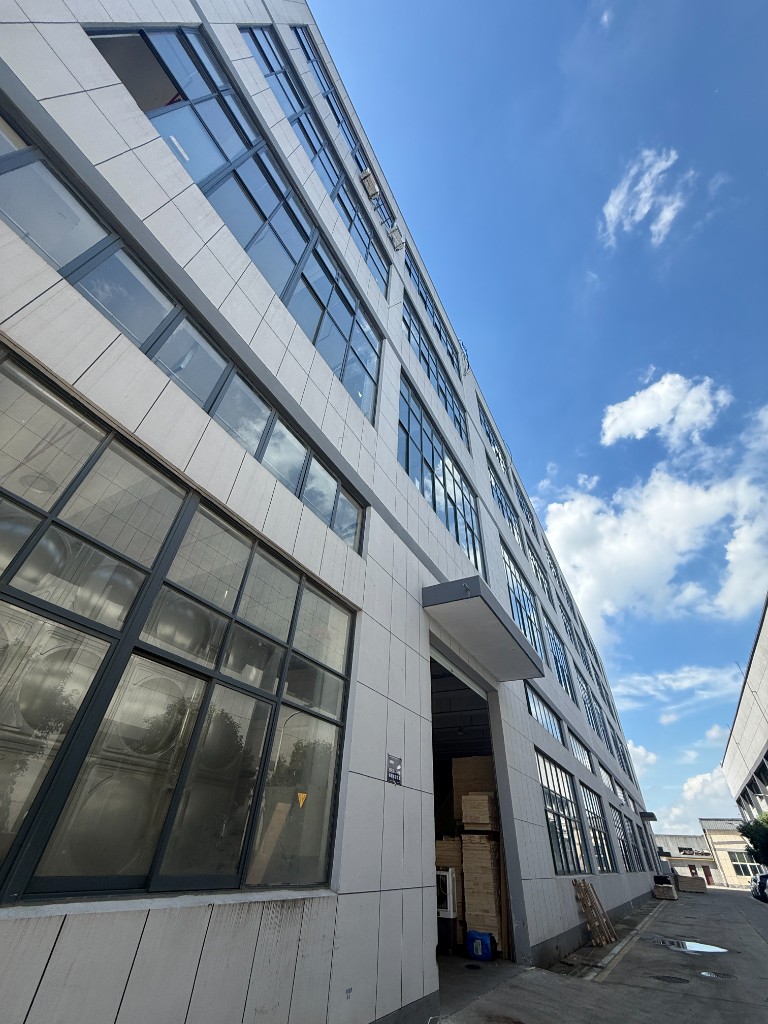
Every order passes 12 documented control gates, from incoming flitch inspection to container loading photographs. Three of those gates are external.
The buyer's QA engineer audited our Nanxun plant on 6 November 2025, spending 9 hours across the kiln yard, adhesive store, press line, UV line, profiling hall and packing area, and reviewing our calibration records for the previous 90 days. On 12 January 2026, an independent third-party inspection team carried out pre-shipment inspection on the finished order — checking dimensions, moisture content, surface finish and carton labelling on a sampling basis across the 12 containers before they were sealed.
Our certificates are held by Liancheng Wood Industry (Zhejiang) Co., Ltd. and are verifiable by the buyer, not just presentable:
- FSC C012 100 chain of custody — you can search our licence code directly in the FSC certificate database.
- CE marking to EN 14342 for wood flooring — the harmonised standard that makes the CE mark meaningful for a European project. Background on how EN 14342 works is set out in this CE marking reference for construction products.
- ISO 9001:2015 quality management system certification, with the issuing body and certificate scan available for verification.
- CARB Phase 2, JIS A 5905 and ASTM D4060 test reports on file for this construction.
If your procurement process requires the certificate scans, test reports and the inspection report for this order, they are collected in one place on our Wood Flooring Export Certifications page.
Shipping & Delivery: 12 Containers from Ningbo Port to Barcelona
Loading started on 4 February 2026 and finished on 6 February 2026. Twelve 40-foot high-cube containers left Ningbo Port — a 7-day road-and-rail move from our Nanxun factory — on a direct Mediterranean service into Barcelona, with a 34-day transit.
Each container carried 24 pallets at 22 cartons per pallet: 528 cartons, or 1,143 m² per container, and 13,716 m² across 12 containers. The remaining 131 m² travelled as attic stock in the last container so the hotel holds matching material, from the same production batch, for future repairs — a detail worth writing into your own contract.
We ship this route regularly. Alongside Barcelona, our recurring lanes are Ningbo to Rotterdam for Benelux and German distribution, Ningbo to Valencia for Spanish and Portuguese projects, and Ningbo to Dubai for Middle East hospitality work. Container loading is photographed carton-by-carton, and the loading report is issued to the buyer within 48 hours of departure.
Installation on site finished on 24 April 2026, 22 days after the first container was opened. That is a normal pattern for engineered oak at this specification: acclimatise 48 hours in the room of use, install floating or glued depending on the sub-floor report, and leave 10 mm expansion at every perimeter.
Our after-sales position on this order was standard: a 24-month written warranty on finish and construction, a named contact for the project, and a commitment to respond to any technical claim within 2 working days and to ship replacement material within 15 working days if a batch defect is confirmed. That is not a marketing promise — it is written into the order confirmation.
Conclusion: What One 7 AM Shift Proves to a Buyer
A hotel group does not place a 13,847 m² order because of a brochure. It places it because three things were verified: samples that matched production, an audit that matched the certificate file, and an inspection that matched the containers.
When you evaluate a wood flooring manufacturer in China, ask for exactly those three things, plus the numbers behind them: moisture content at 8–10% equilibrium, tongue-and-groove tolerance at ±0.1 mm, a sawn top layer of a stated thickness, a certification chain you can search against the issuing authority's own database, and a production date you can trace to a container. We have run 43 years of production in Nanxun on that basis, and we will run the 07:00 shift tomorrow the same way.
If you want to see the line for yourself — or hold the board in your hands first — start with a Request Factory Sample. We will send you the same 300 × 300 mm sample, cut from the same construction, that opened this project on 2 September 2025.